

Caring for a Hardwood Floor
Welcome to the ultimate guide on how to care for your hardwood floor. Whether you are dealing with a newly installed floor or maintaining an older one, proper care ensures long-term durability and beauty. Hardwood floors have long been a favored choice for homeowners due to their natural elegance and structural resilience. With the right maintenance habits, a solid wood or engineered floor can easily last for generations while adding significant real estate value and charm to any home. Caring for these surfaces effectively requires a mix of proper daily upkeep, preventative measures, and occasional restorative treatments. When you commit to a routine care strategy, your investment remains protected against daily wear, accidental spills, and environmental factors.
1. Understanding Hardwood Surfaces
Understanding the fundamental properties of your flooring is the first step toward successful long-term maintenance. Hardwood species vary significantly in terms of density, grain density, and surface porosity, all of which influence how the wood responds to everyday usage. The Janka hardness scale serves as a standard benchmark for evaluating a wood species' capability to resist denting under pressure. High-traffic zones like hallways, kitchens, and entryways benefit greatly from denser woods such as white oak, hickory, or hard maple. Selecting an appropriate wood density initially reduces the frequency with which you need to repair surface damage or execute a full physical restoration.
Surface finishes serve as the primary line of defense against ambient moisture, dirt, and mechanical abrasion. Modern polyurethanes, penetrative oils, and UV-cured factory finishes each present distinct physical properties and maintenance demands. Water-based polyurethanes dry quickly, emit low levels of volatile organic compounds (VOCs), and retain a clear appearance that prevents yellowing over time. Oil-based polyurethanes provide a deep, warm amber hue and superior moisture resistance, though they demand longer curing times during installation. Understanding which finish coats your floor lets you choose compatible cleaning solutions that preserve the protective layer without leaving sticky residues.
2. Cleaning and Maintenance Routine
Establishing an effective cleaning routine prevents abrasive grit from wearing down your floor's clear coat. Daily sweeping with a microfiber dust mop removes loose dirt, pet hair, and micro-particles that act like sandpaper under foot traffic. Standard upright vacuums with rotating beater bars should be avoided, as the harsh mechanical bristles can chip or scratch protective clear coats. Instead, use a canister vacuum or hard-floor attachment with soft felt bristles to clean out dust settled between individual floorboards. Consistent dry cleaning minimizes the need for aggressive wet scrubbing, preserving the pristine look of the finish.
When damp cleaning becomes necessary, moisture control must remain your top priority. Excessive water can easily seep through board seams, causing the underlying wood fibers to swell, cup, or buckle permanently. Use a specialized, pH-neutral hardwood floor cleaner designed specifically for your finish type, avoiding harsh household detergents, ammonia, or vinegar solutions. Vinegar is acidic and gradually dulls the clear coat finish over repeated applications, leaving the surface susceptible to staining. Apply cleaning solutions using a tightly wrung-out microfiber mop pad to ensure the wood dries rapidly without standing liquid.
3. Protecting Interior Flooring
Proactive protection measures significantly reduce physical wear and prolong the lifespan of your surface finish. Strategic placement of entrance mats and runners absorbs grit, moisture, and debris before it reaches your living space. High-traffic thoroughfares, such as main corridors and areas under dining furniture, benefit from the immense support of thick area rugs. Ensure that any rug underlayment or backing is specifically rated as safe for hardwood finishes; rubber or vinyl backings can trap moisture or chemically react with polyurethanes, leading to permanent discoloration.
Controlling indoor ambient climate conditions plays a vital role in preserving structural integrity over changing seasons. Wood is a natural hygroscopic material that expands and contracts in response to shifting humidity levels within the home. Maintaining relative humidity between 30% and 50%, alongside stable room temperatures, prevents wood planks from excessive gapping during dry winter months or cupping during humid summers. Utilizing whole-home humidifiers during heating seasons and dehumidifiers during wet periods keeps the flooring stable, quiet, and properly aligned year-round.
Protecting your floor from furniture scuffs and pet damage requires continuous vigilance and practical preventative steps. Heavy furniture items like couches, tables, and chairs should be fitted with thick felt protective pads attached securely to their feet or bases. Inspect and replace these felt pads regularly, as trapped grit can turn a pad into an abrasive surface. Additionally, keep pet claws trimmed and dull to prevent deep surface scratches. Promptly wipe up any pet accidents or water bowl splashes to avoid permanent timber staining and chemical degradation of the finish coat.
4. Resolving Common Damages
Addressing surface scratches and gouges promptly prevents moisture from penetrating deep into the exposed wood grain beneath. Light surface scratches that only affect the top finish layer can often be disguised using a specialized finish touch-up marker or a coat of surface restorer. Deeper gouges that penetrate the timber require color-matched wood putty or filler, which must be carefully troweled into the defect and leveled. Once cured, the filled area should be lightly buffed and sealed with a touch-up coat of clear polyurethane to match the surrounding sheen.
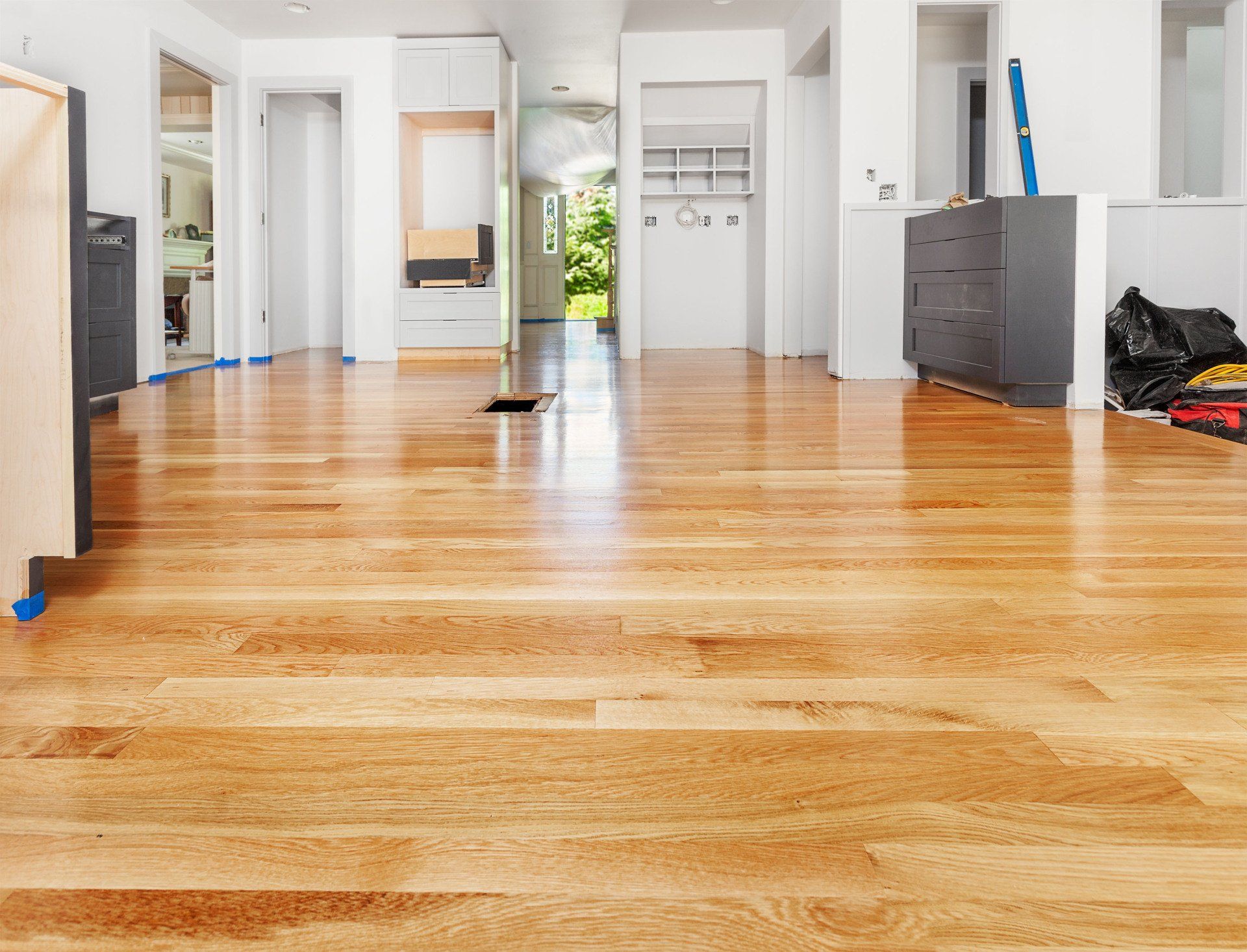
Water spills and moisture accumulation pose severe risks to timber floors, requiring immediate emergency cleanup efforts. Standing water must be blotted up right away with absorbent towels, followed by localized air circulation using floor fans or dehumidifiers. If board cupping occurs due to minor moisture absorption, drying the area thoroughly may allow the timber to settle back flat over time. According to This Old House, you should wait at least 48 hours before walking on the new hardwood finish, and wait several days before moving furniture back into the room. When severe water damage leads to permanent warping or mold development, replacing individual damaged planks becomes necessary.
5. Executing Hardwood Refinish
Knowing when to execute a complete hardwood refinish vs. a simple surface recoat saves significant time and money. A sand-and-refinish project is warranted when the protective finish has completely worn away, exposing bare wood, or when deep scratches, dark water stains, and structural wear cover large areas. If the original finish is mostly intact with only dullness or light scuffs, a procedure known as "screening and recoating" can restore the gloss level without sanding down to raw timber. Evaluating the remaining thickness of the wood wear layer is essential before attempting a major refinishing project.
The hardwood refinish process requires meticulous preparation, specialized machinery, and sequential sanding steps using progressively finer grit sandpaper. Dust collection systems should be utilized to keep fine wood dust from spreading throughout the property during mechanical sanding. Once the old finish and surface defects are completely removed, the floor must be thoroughly vacuumed and tack-clothed to eliminate every particle of dust. Applying the new stain and topcoats in smooth, uniform passes along the grain guarantees a flawless, professional-grade visual appeal free of lap marks or bubbles.
Maintaining hardwood floors involves a mix of regular care, preventative measures, and occasional repairs. With the right approach, you can enjoy the beauty and warmth of hardwood in your home for decades. This guide provides you with the knowledge needed to preserve the elegance of your floors effectively and efficiently. Keep abreast of emerging trends and innovative products to continually enhance your care practices. With dedication and attention, your hardwood floors will continue to be a defining feature of your home, adding value and enjoyment for years to come. For more information about the services that we offer, reach out to our incredible team at Excellent Floors today!
Share On: